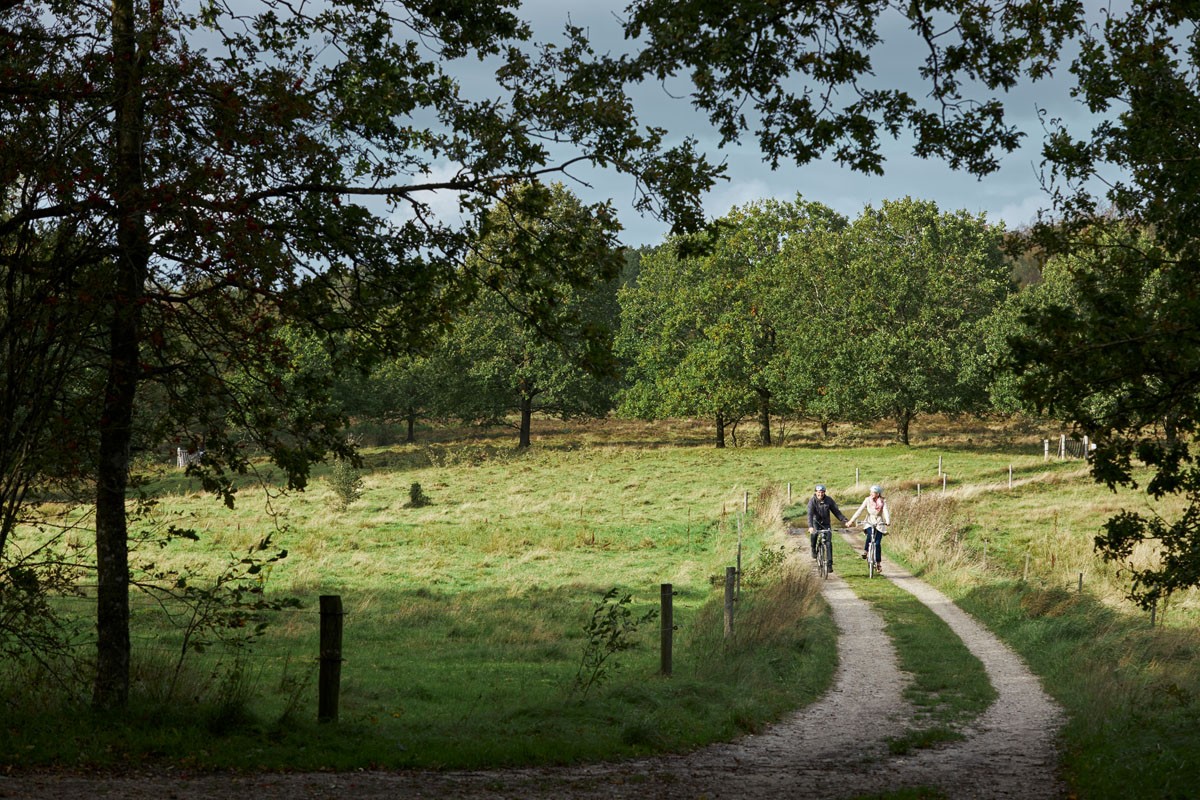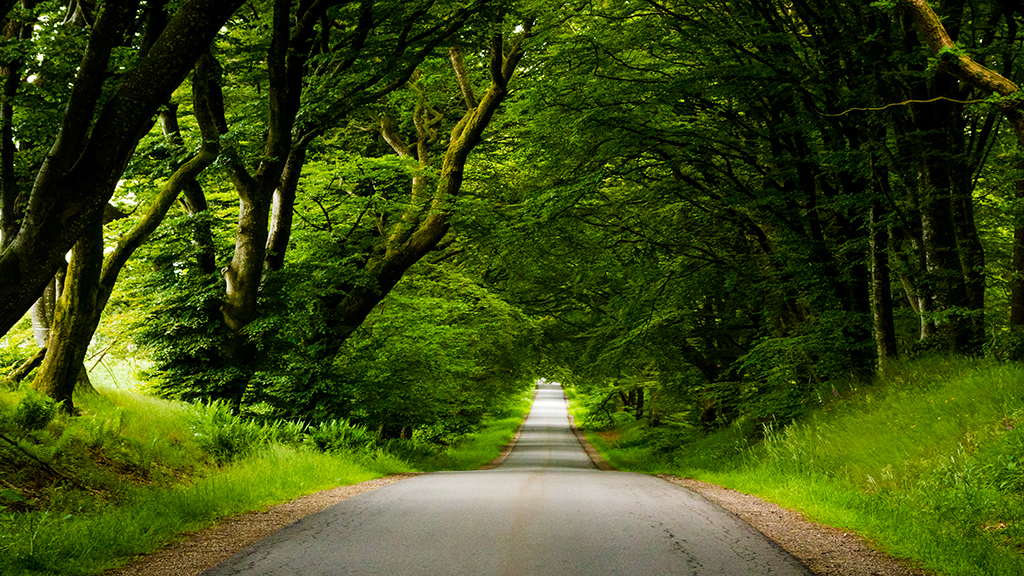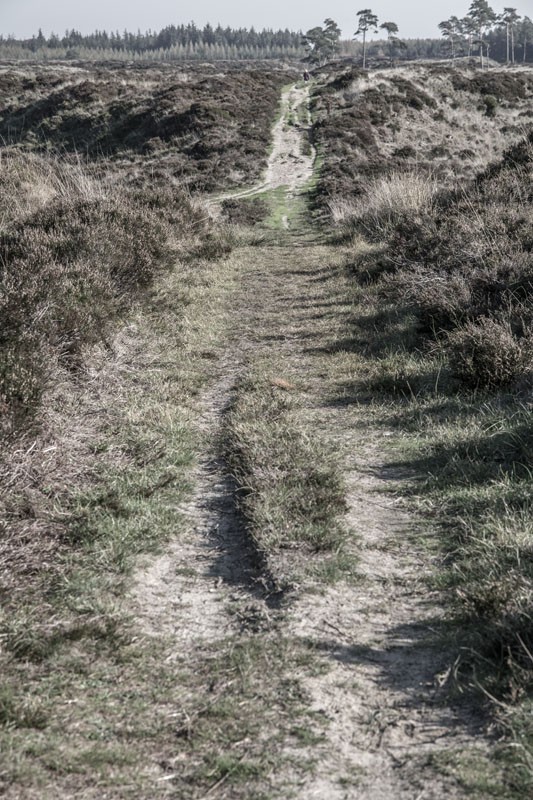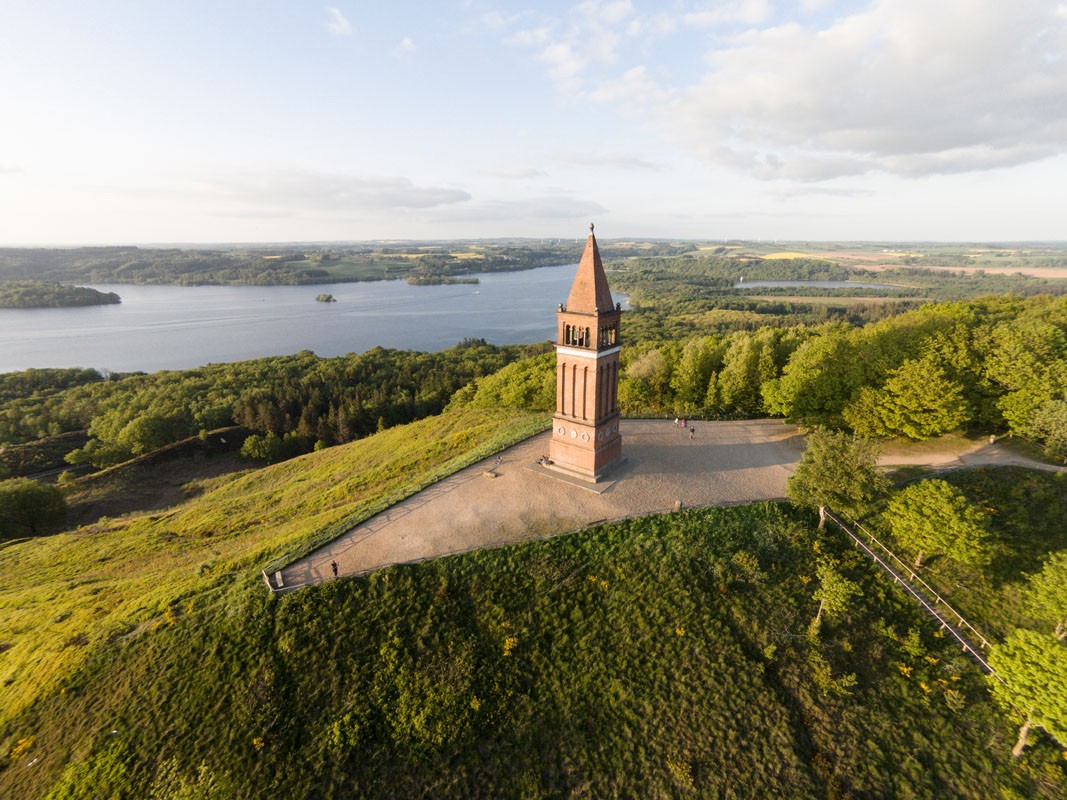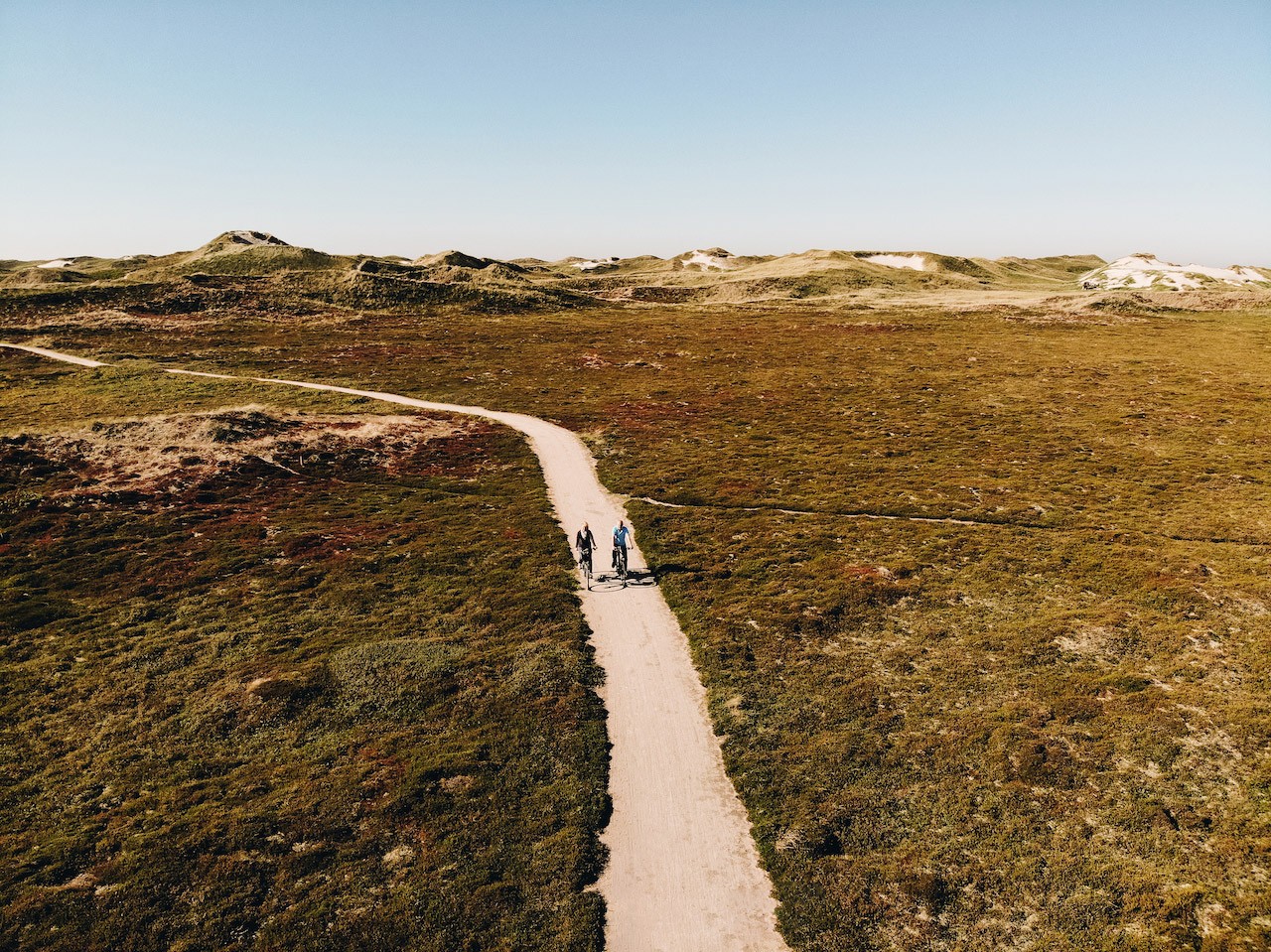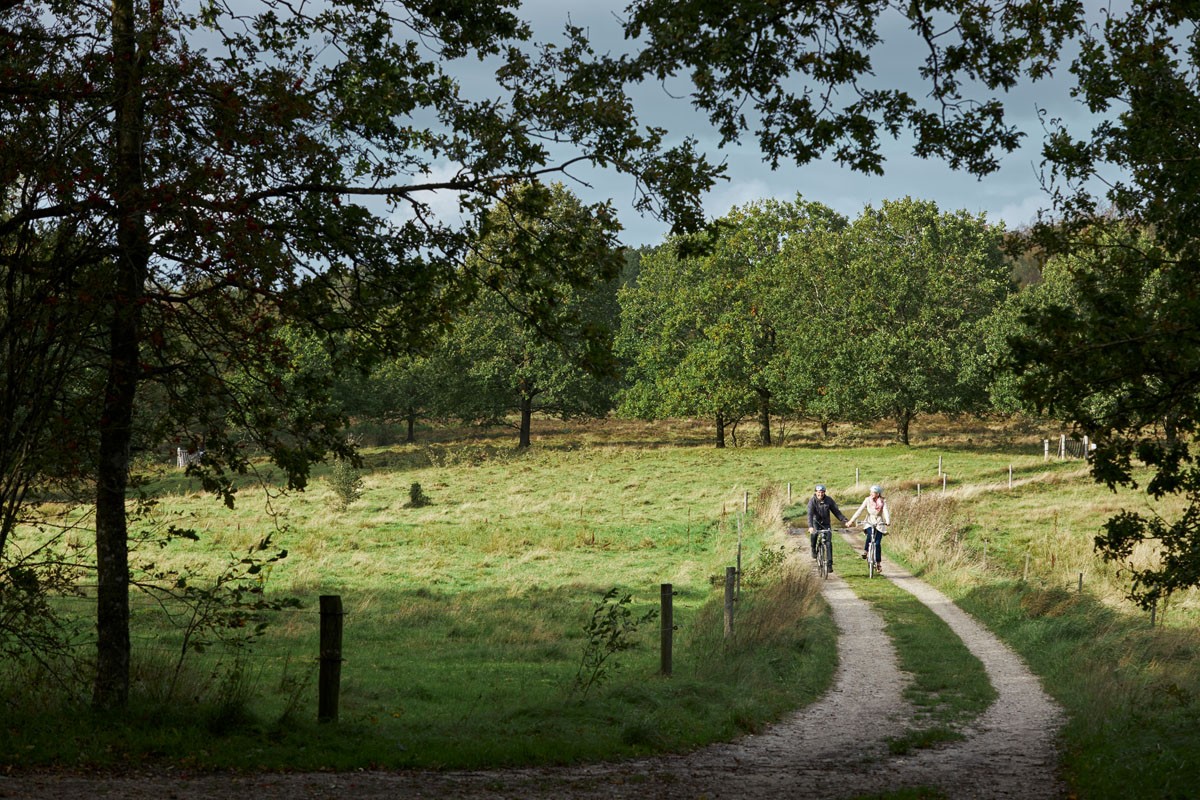
The Pilgrims Route (Hærvejen) is a 450 kilometres long historic main route up through Jutland. Large forests alternate with open country, moors are replaced by stretches of coast, and from north to south you have Denmark's history up close. Burial mounds from ancient times, ring castles from the Viking Age, the medieval town of Viborg and the UNESCO World Heritage Site in Jelling.
Half of the stage you bike along the ridge kame with North Jutland's highest hills. Knøsen is 136 meters high. Art: See the exhibition of bookplates at Frederikshavn's Art Museum – it is one of the world's largest. History: The Coastal Museum of Bangsbo, the Bronze Age burial mounds at Søndre Hestvang and the protected Donbæk cemetery with 60 graves from the Iron Age.
This stage goes through Brønderslev and Frederikshavn Municipality.
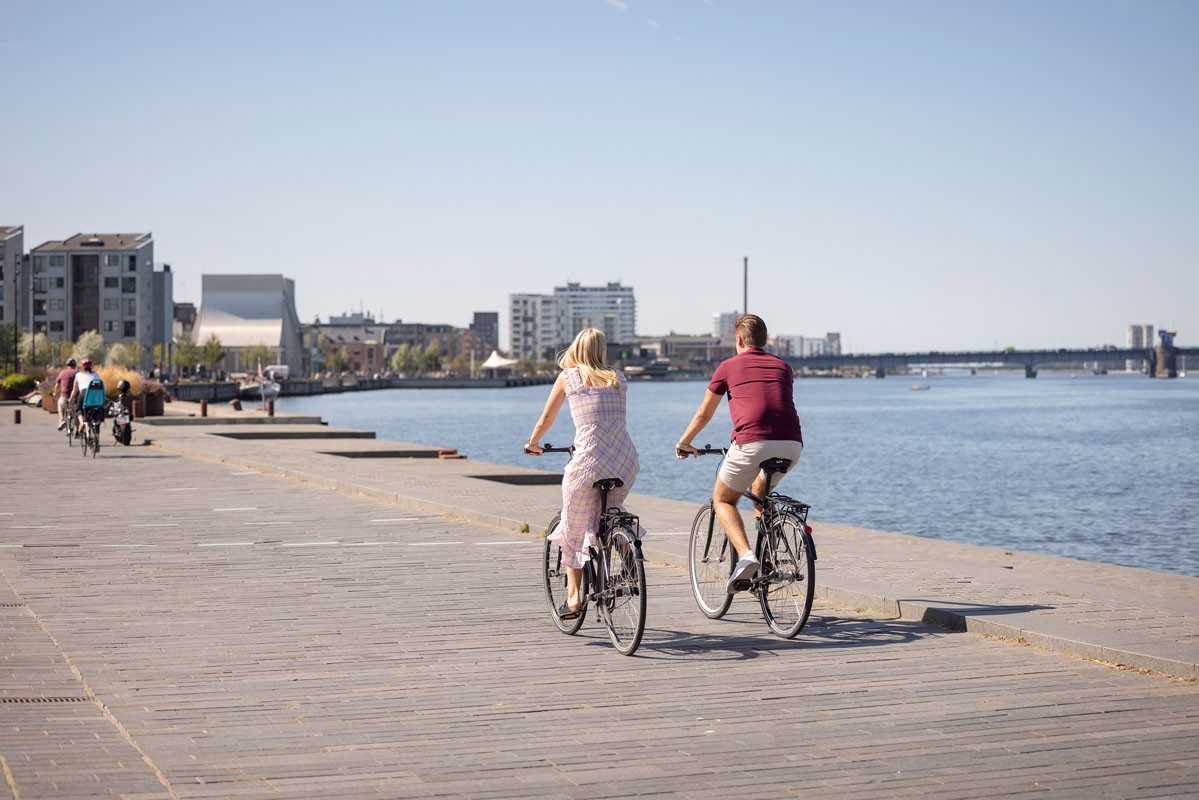
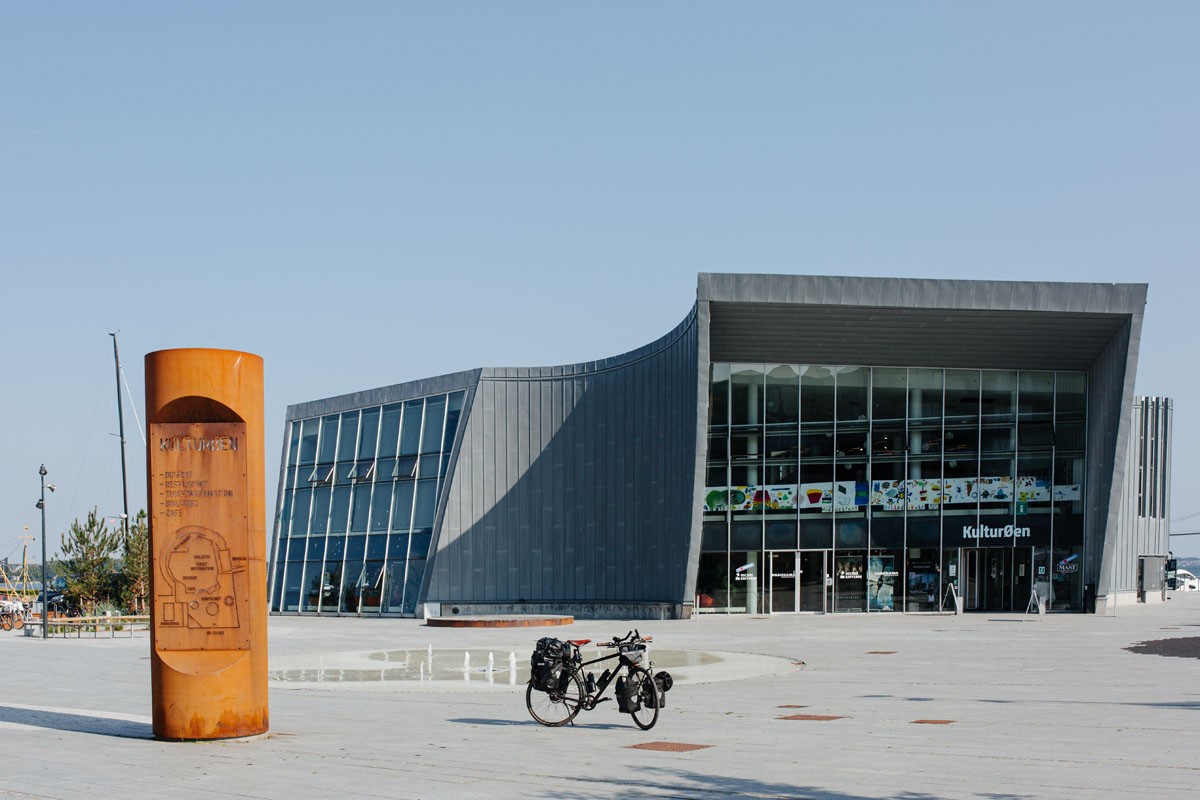
The harbor front in Aalborg brings together architecture, design and gastronomy, and there is always something to experience. The Utzon Center, for example, makes architecture a game, and Nordkraft is one of Europe's largest cultural and activity centers. Hammer Bakker is a mixture of moor and forest with lots of animals and birds, and you can easily find a shelter for the night.
This stage goes through Aalborg and Brønderslev Municipality.
RebildPorten is the communication center for Rebild Bakker, so drop by and get some information about the large nature area. Maybe the bike should be replaced by a canoe for a few hours? The church in Old Skørping was built in the 12th century and worth a visit, as is the nearby historic village of Volsted.
This stage goes through Aalborg and Rebild Municipality.
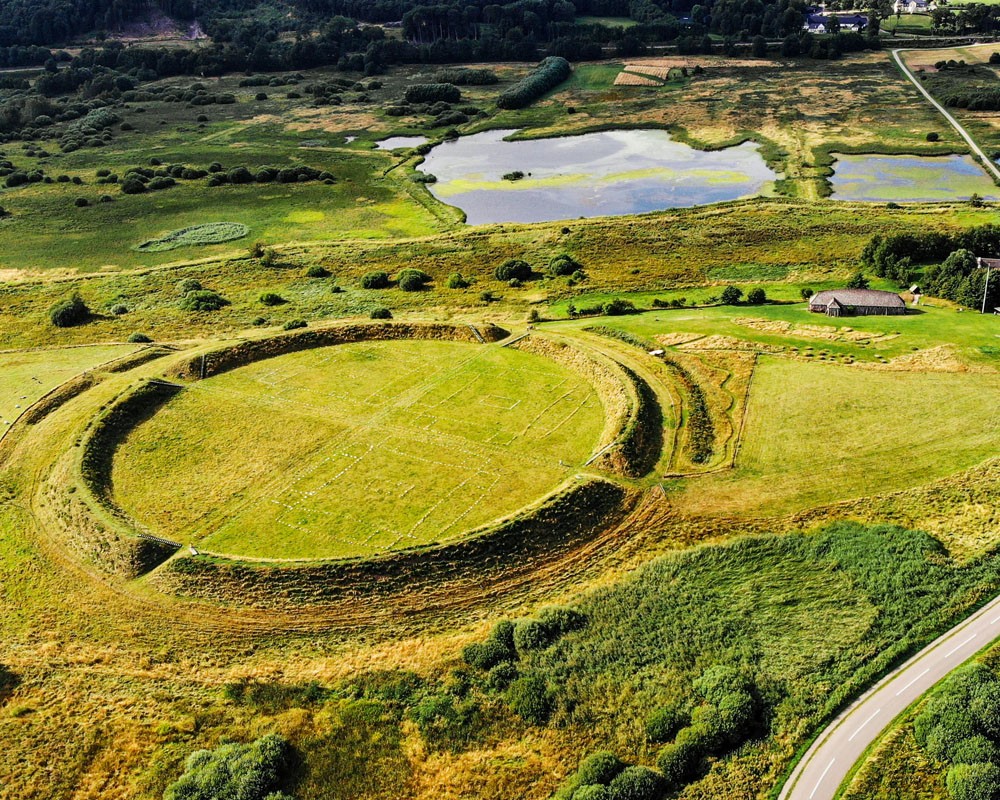
The Rold forest is full of relics of the past: Nørreskoven – one square kilometer – contains around 50 large burial mounds. At Fyrkat west of Hobro is one of Denmark's five ring castles, built under Harald Blåtand in 980, and during the holidays families can participate in activities. Hobro has a culture harbor and is beautifully located next to Mariagerfjord.
This stage goes through Mariagerfjord and Rebild Municipality
Another stage with monuments of the past: Odin's Altar at Trinderup Krat is a structure of over 185 metres, only partially excavated. In Lindum Forest there are many burial mounds, and you may be lucky enough to spot bird species such as sea eagles and ospreys. In Sødal Forest you can see both burial mounds, heaps of stone and a half meter high monolith
This stage goes through Mariagerfjord and Viborg Municipality.
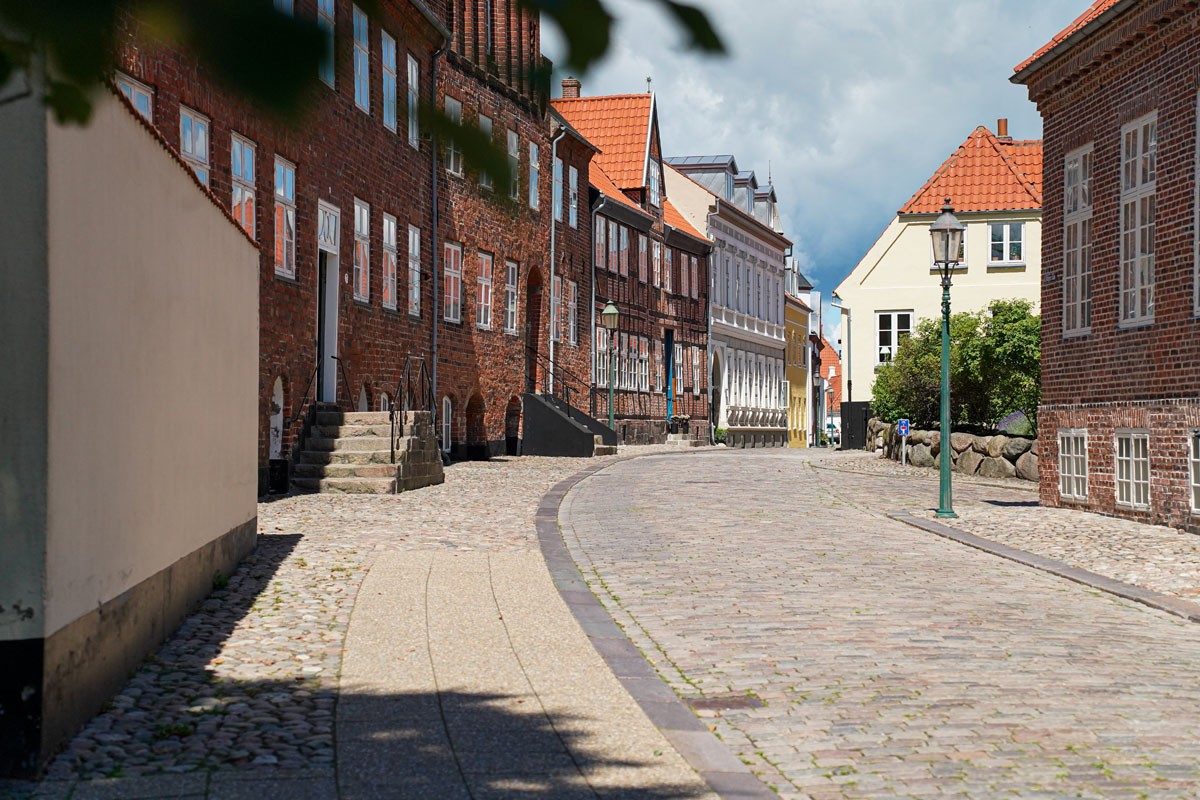
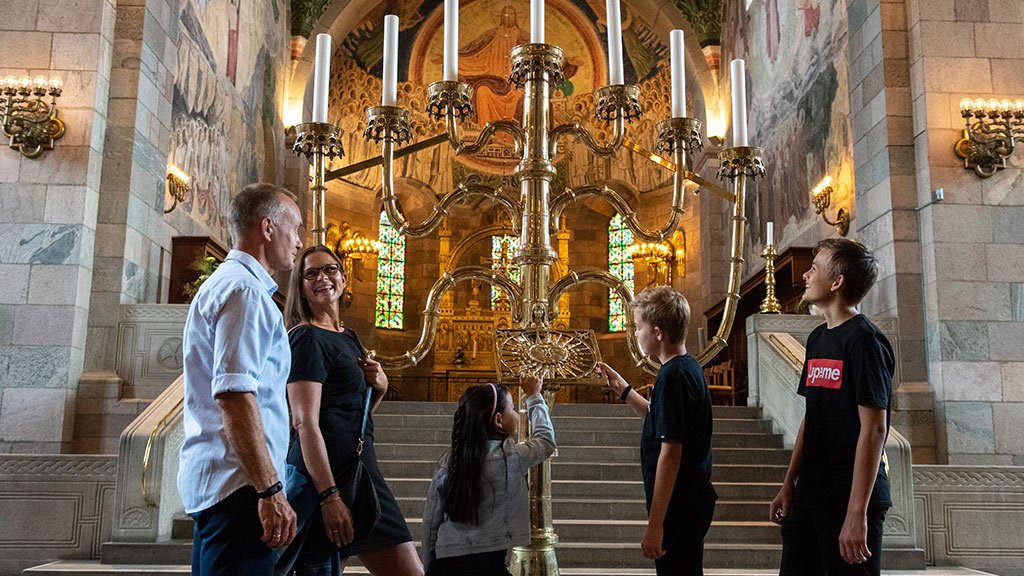
In the Middle Ages, Viborg was the center of power in Jutland, and the city's cathedral with its two towers is an impressive sight. Inside the walls and ceilings are filled with pictures, made by the artist Joakim Skovgaard around the year 1900. The natural area at Dollerup Bakker is beautiful and hilly: the highest point is 63 meters above sea level with a great view of parts of Hald Sø.
This stage goes through Silkeborg and Viborg Municipality.
Writer Steen Steensen Blicher was a priest in Thorning, and Blicheregnen – Museum in Silkeborg tells the story of the poet and of life in the countryside in the 19th century. A detour to Bølling Sø is recommended: It is the result of one of Denmark's largest nature restoration projects. The exhibitions in Klosterlund Museum stretches from the Stone Age to the peat industry.
This stage goes through Ikast-Brande and Silkeborg Municipality.
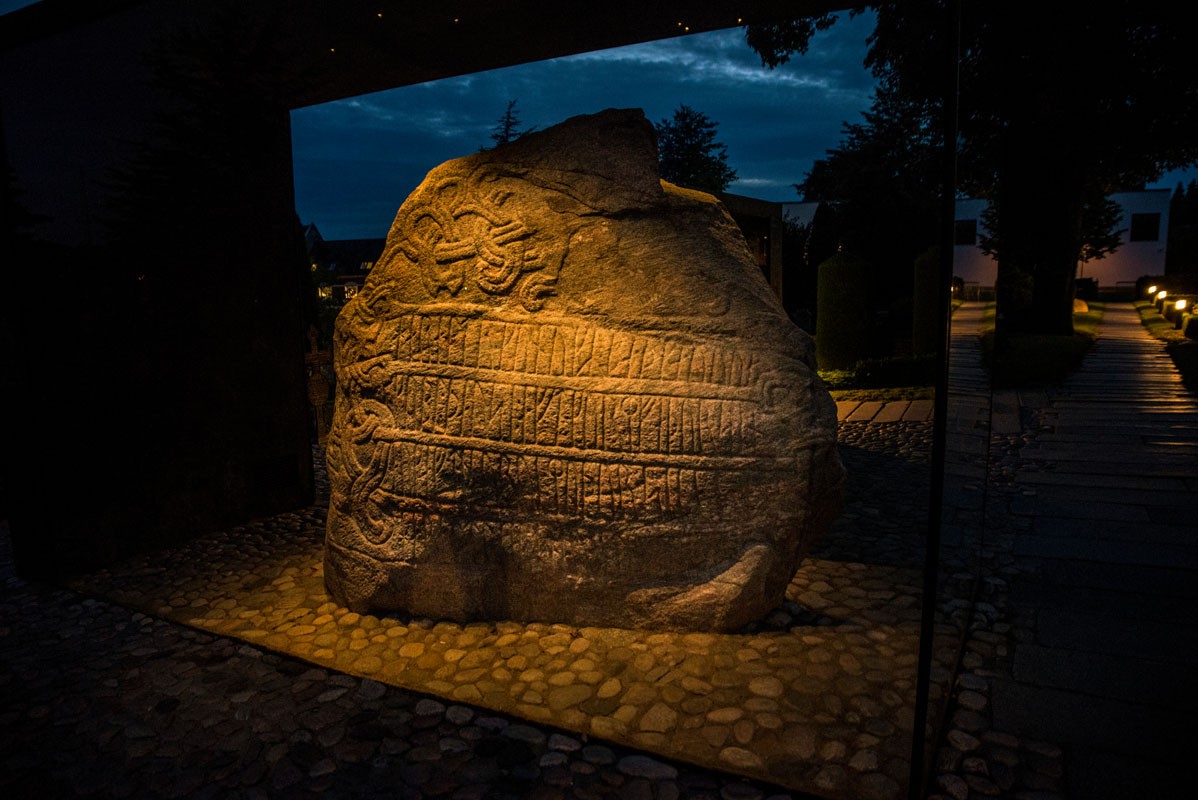
The historical highlight of the stage is the Jelling monuments, which are UNESCO World Cultural Heritage. Here, around the year 965, the Viking king Harald Blåtand raised the runestone over his parents. The experience center Kongernes Jelling is a good starting point for exploring the area, and through the binoculars on the roof terrace you can see how the city looked 1,000 years ago.
This stage runs through Hedensted, Ikast-Brande and Vejle municipalities.
By Engelsholm Sø is a Renaissance castle, built in 1592. Today it is owned by a college, and you can view the castle from the southern part of the park. There are many ancient monuments in the area, for example four Bronze Age burial mounds north of Randbøl Church and monuments from three historical periods at Klebæk Høje
This stage goes through Billund, Vejen and Vejle Municipality.
Ravnunge-Tue and Fundin and Gnyple, the three of them made Thyra's mound.' That's what it says on the runestone at Bække Church, and you'll find a stone more one kilometer north of the town. From the observation tower in Hundsbæk Plantation there is a really good view: you are 106 meters above sea level. In Kongeådalen near Jels, the Freedom Bridge marks the old border between Denmark and Germany.
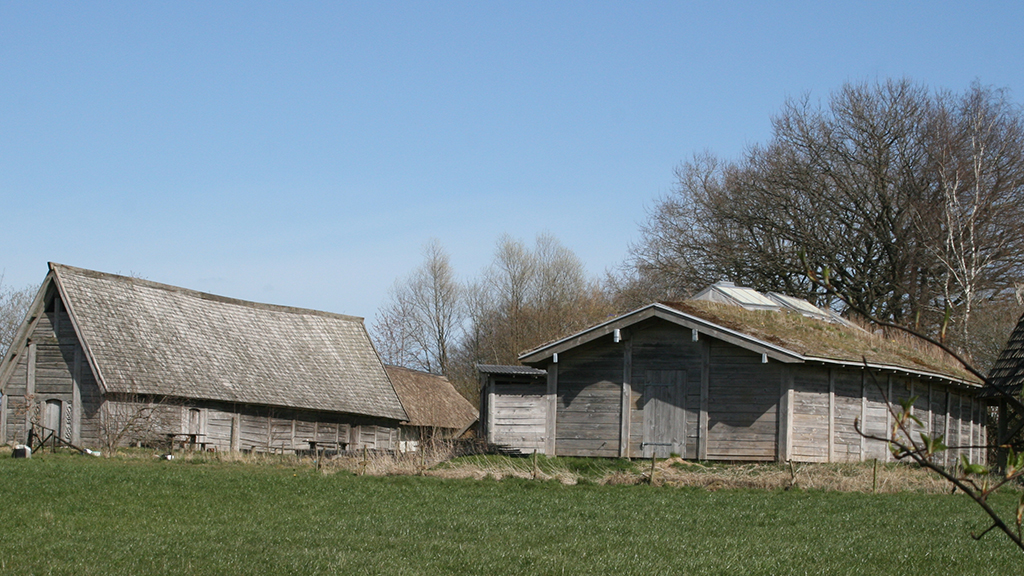
Stursbøl Plantage was one of the first plantings of the moor, and today the forest is a recreational area with many woodpeckers and deer. If you are lucky, you can also meet red deer. There are around 70 burial mounds from the Bronze Age in the plantation. In Jels, the reconstructed Viking houses are worth visiting, even if you come out of season, when they can be seen only from the outside.
This stage goes through Haderslev and Vejen Municipality.
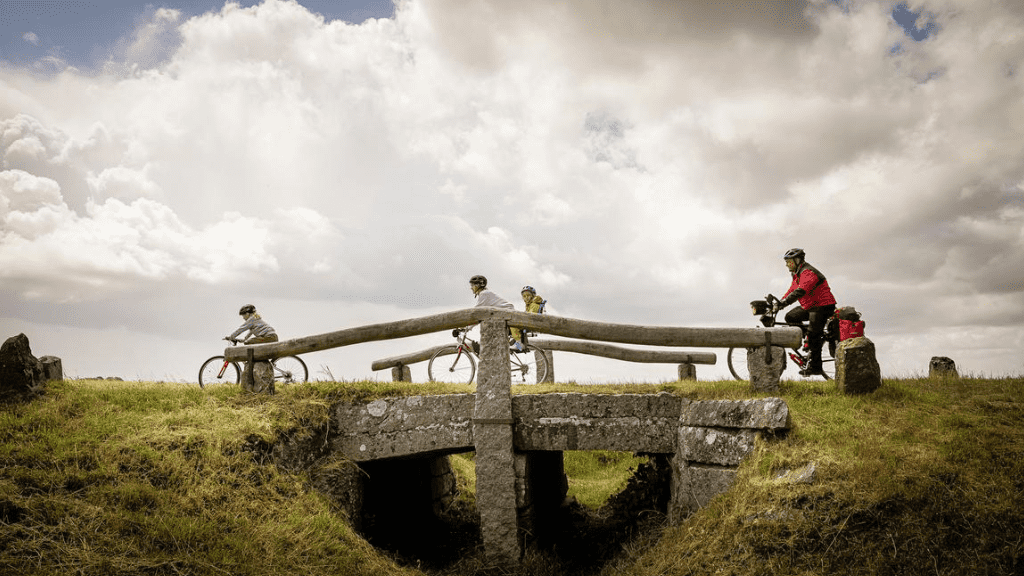
At Holmshus, south of Vedsted, you can see a passage grave and three long barrows, built 5200-5500 years ago. With 115 meters one of them is the longest in Jutland. Remember to bring a flashlight if you crawl into one of the burial chambers. Immervad Bro from 1786 is built of stone beams, over four meters long and cleaved out of a single granite stone.
This stage goes through Aabenraa and Haderslev Municipality.
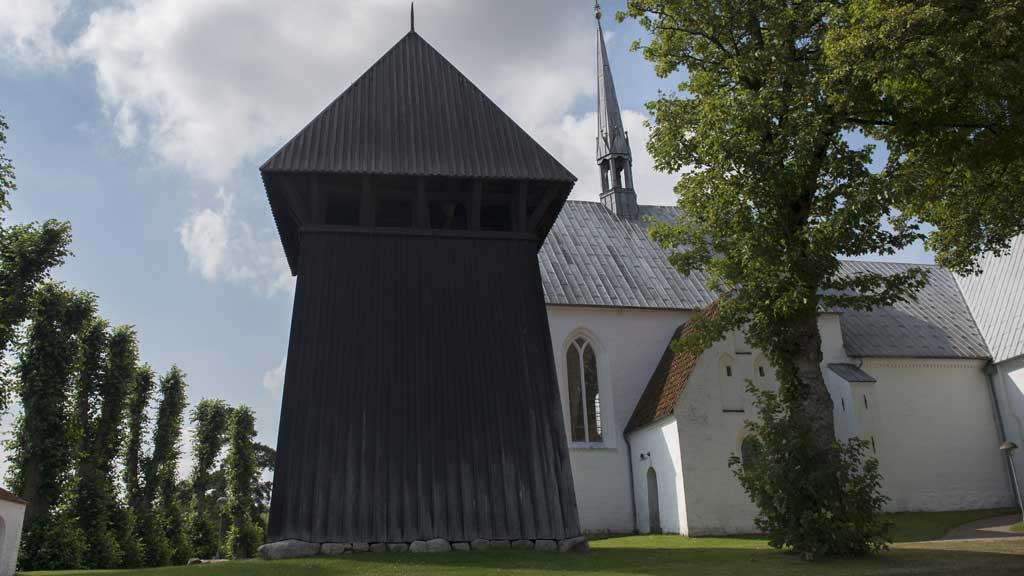
The camp museum of Frøslev tells the story of the political prisoners during the German occupation. At the cemetery in Kliplev, you can see the country's oldest wooden building: a belfry made of black-stained oak, built around the year 1300. Together with Uge Skov, Bolderslev Skov is one of Denmark's largest natural forests – go for a walk on the footpath.
This stage passes through the municipality of Aabenraa.